
The Benefits of ISO 9001 Certification for Your Company
Find out what real-world benefits can be realized by achieving ISO 9001 certification for your organization, and how an ISO 9001 Quality Management System can help your company thrive.
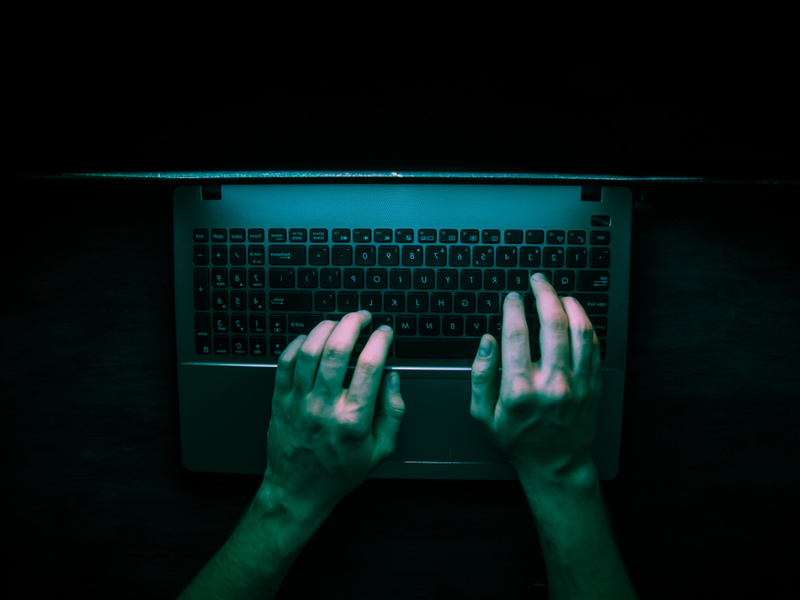
Many businesses have recently seen an increase in cybersecurity threats. The FBI estimates that 300,000 more Internet crimes occurred in 2020 than in 2019. Business owners must educate themselves on the top cybersecurity threats circulating the online world. Failure to do so only puts a firm at risk for destructive attacks.
The following information explains some of the latest cybersecurity threats to watch out for when trying to protect against online vulnerabilities.
When a business system has a ransomware attack, malware gets placed on a victim's computer, which helps criminals encrypt or access important files. Victims then receive a ransom message demanding payment before they can access their files.
Cybercriminals can use social engineering campaigns during stressful world events to scare victims into installing ransomware. The malware looks for sensitive information, such as customer files or financial data, that puts businesses in a vulnerable position when the ransom note appears.
One of the biggest cybersecurity threats that affects many businesses is a scam where data, such as credit card information, is stolen by cybercriminals. These types of cybersecurity threats are called phishing scams. Spoofing occurs when a legitimate user's identity gets hacked, allowing perpetrators access to account information.
Since the start of the COVID-19 pandemic in 2020, campaigns like these have made up many of the latest cybersecurity threats. Victims end up clicking on fake emails and websites to learn about virus updates or new information about vaccines, but they end up getting involved in a scam that could harm their personal or company network.
New cybersecurity threats lurk beneath the surface of 5G technology. 5G security speculation abounds and breeds debate, asking whether these new networks pose major risks. This new technology might bring about positive advantages, such as faster Internet speeds. On the other hand, no one yet knows how 5G might affect businesses in these crucial areas:
Some of the biggest cybersecurity threats happen when cloud infrastructure isn't configured correctly. Cloud security misconfigurations leave users vulnerable to cyber breaches that cause data theft. As more companies move data into the cloud to support remote employees, cyberattacks will likely rise in the future.
Mobile applications store user data that includes details about contacts, passwords and banking information. Hackers target mobile apps with the intent to leverage this sensitive data. Current cybersecurity threats that affect mobile apps include:
With essentially every employee (and individual) in the world carrying a mobile device with them at all times, proper security in this area is crucial for avoiding major cybersecurity threats.
Businesses must make sure all sensitive information and data remain safe by investing in cybersecurity resources. Learn more about Smithers cybersecurity information services for your business and contact us today.
 Registration for this event has closed.
Error: The webinar is full. Please contact the webinar’s host if you feel this is a mistake.
Error: This email address is already registered for this event. Please contact the webinar host if you have any questions.