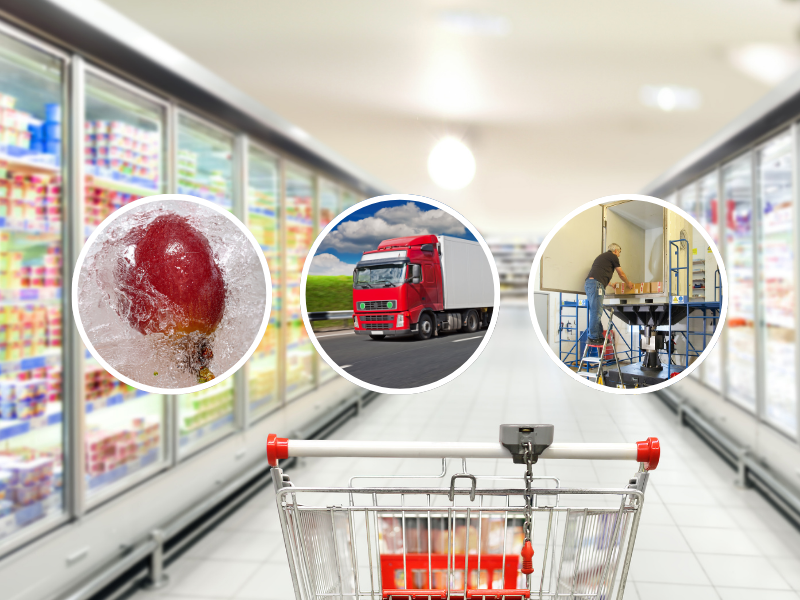
Packaging that performs well at ambient conditions may not always perform the same way in the cold-chain. For manufacturers of
fresh, chilled and frozen consumer products, understanding
how combined hazards affect packaging performance is essential to
reducing damage, waste and product loss.
Low temperatures can change the behaviour of packaging materials, making them more susceptible to damage from the vibration experienced throughout distribution. Together these conditions can create failure mechanisms that only emerge when temperature and vibration act simultaneously - increasing the risk of leaks, damage, contamination and product loss.
In this article, Smithers' distribution testing specialists explain why the
combination of temperature and vibration matters, and how
combined hazard laboratory testing can help evaluate packaging performance before problems occur.
You'll learn:
- Why packaging performance changes in the cold-chain
- How temperature and vibration interact to create packaging failures
- What this means for packaging development and failure investigation
- How combined hazard transit simulation can help reduce packaging damage, waste and quality issues
Download the article to explore the challenges of cold-chain packaging and learn
how to evaluate packaging performance under challenging distribution conditions.