What do PPWR and EPR mean for your business?
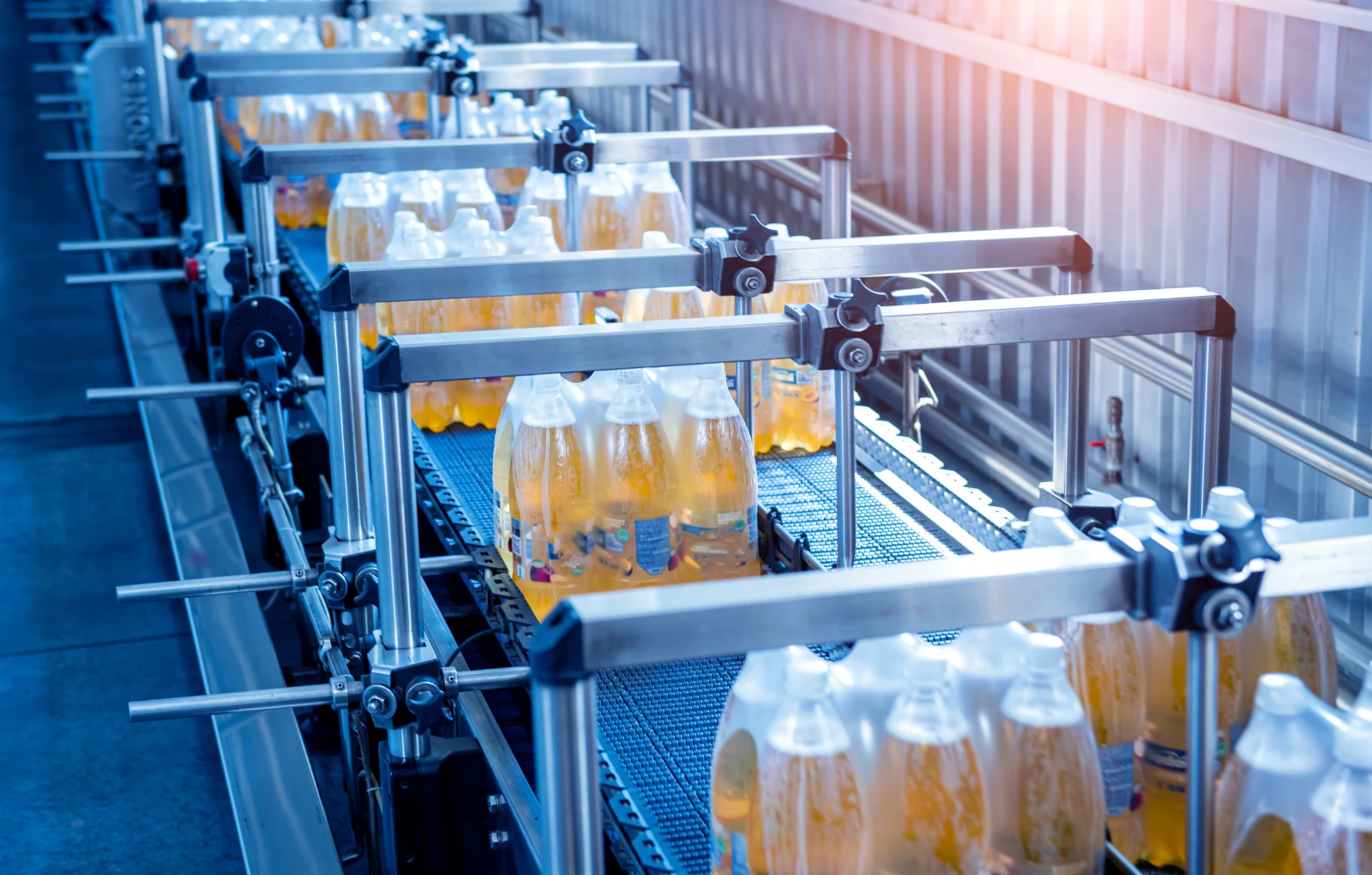
The EU Packaging and Packaging Waste Regulation (PPWR) has applied since 12 August 2026. By 2030, every pack placed on the EU market must be recyclable, and plastic packaging must contain recycled content. Meanwhile, Extended Producer Responsibility (EPR) fees are rising for packaging that’s heavy or hard to recycle.
Our new white paper explains what these rules mean for your packaging, your costs and your product pipeline, and what to do now.
What’s inside the white paper
In 22 pages, Smithers’ packaging consultants cover:
- What PPWR is and why it matters: the key provisions, from mandatory reuse targets to new recyclability rules
- The PPWR timeline to 2040: when each requirement lands, and which deadlines your business can’t afford to miss
- Which formats are at risk: how the A–C recyclability grades work, and the formats unlikely to make the cut
- Impact by material: a rating for 16 packaging materials, from paper and PET to flexible plastics and PVC
- Impact by sector: the targets facing food service, food and drinks, FMCG and e-commerce
- How EPR fees are calculated: the fee formula, and how eco-modulation bonuses and penalties work
- Where EPR is heading: six themes that will shape fees, and the design choices that cut them
- Two readiness checklists: the questions your business needs to answer for PPWR and for EPR
- Case studies: how Smithers has helped brands launch compliant products and reduce EPR costs.
Frequently Asked Questions
Q: What is PPWR?
A: The Packaging and Packaging Waste Regulation (Regulation (EU) 2025/40) sets EU-wide rules on packaging design, recyclability, recycled content, reuse and labelling. It replaces the Packaging and Packaging Waste Directive 94/62/EC.
Q: When does PPWR apply?
A: PPWR has applied since 12 August 2026. Its main recyclability, recycled content and reuse requirements apply from 1 January 2030, with further targets in 2035, 2038 and 2040.
Q: What is the difference between PPWR and EPR?
A: PPWR sets the rules packaging must meet to be sold in the EU. EPR makes producers pay for collecting and recycling their packaging, with fees based on weight, material and recyclability.
Q: Where can I find out more about PPWR and EPR?
A: Download our free white paper for a full guide to the PPWR timeline, recyclability grades, recycled content targets and EPR fees, plus checklists to test your readiness. For advice on your own packaging, you can also speak to the Smithers consulting team.