HomeResourcesBehind the Test: Winter Traction Testing & High Load Considerations
Behind the Test: Winter Traction Testing & High Load Considerations
On a real winter road, a tire might see fresh powder, packed snow, and ice in a single drive. That variability is what tire engineers design for, but it's also what they can't afford to have in their test data. Classifying and benchmarking winter tire performance requires snow surfaces that behave the same way from run to run and day to day, so the differences in the results come from the tire and not the track.
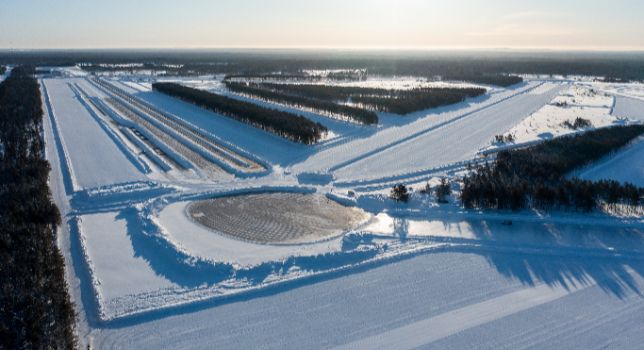
In this installment of the Behind the Test series, we head to the Smithers Winter Test Center in Michigan's Upper Peninsula. Eric Pierce walks through the test methods used to classify snow tires, the equipment needed to evaluate tires for heavier vehicles, and how our team prepares the snow surfaces that make consistent results possible.
In this video, we cover:
Standardized Testing: A breakdown of ASTM F-1805, C3 R117, and C2 braking tests used to classify official "snow tires.
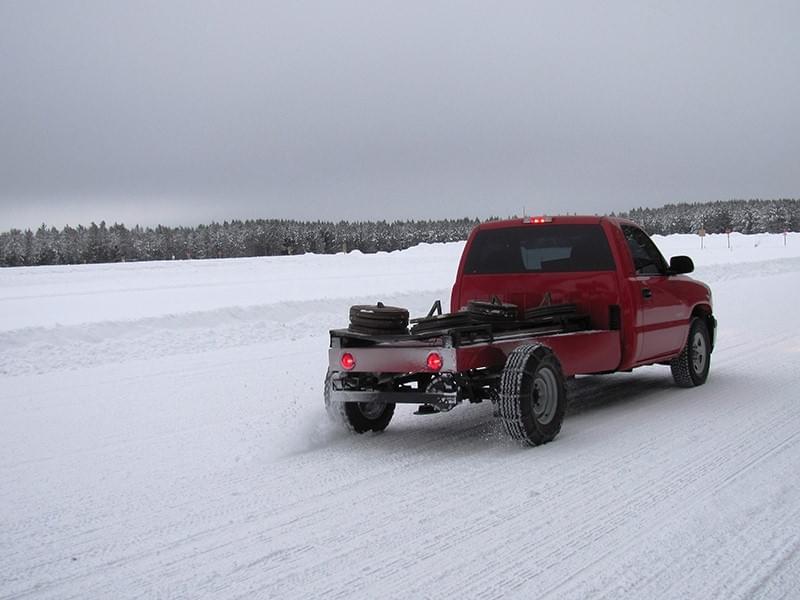
High Load Capacity: Why testing with specialized high-load trucks (up to 2,800 lbs.) is essential for accurate, real-world results on larger vehicles like the F-150.
Surface Science: The meticulous process of "packing" and "grooming" snow tracks to maintain consistent testing environments.
Research Partnerships: Our ongoing collaboration with the Center for Tire Research at the University of Akron and Virginia Tech to advance the science further.
Why it matters for your testing program
Snow performance is a regulated and heavily marketed attribute. Earning the Three-Peak Mountain Snowflake (3PMSF) symbol depends on how a tire performs against a reference tire under methods like ASTM F1805 and UN ECE R117, which means both the surface and the test vehicle need to hold steady for that comparison to mean anything. Changes in snow compaction or texture can shift results enough to mask real differences in tread design, and a test vehicle that can’t reach the tire’s intended load may not reflect how it performs on the road. A carefully groomed surface and properly loaded equipment help keep winter traction results comparable across tires, sessions, and development cycles.
To get started with your next winter traction program, reach out to our experts to scope your testing.